



The Most Unique Gift They'll Ever Receive
Have you fallen in love with vintage cast iron yet? Maybe you like cooking on seasoned iron instead of a synthetic nonstick surface. Maybe it’s the charm of frying an egg in a pan somebody was using 130 years ago. Or maybe you started with one skillet and now your friends are asking where they can get one, because you can’t stop talking about yours.
Then comes the hard part. You know what you like, but what do you buy for someone who’s never owned a piece? And what do you get the collector who seems to have one of everything? It’s easy to talk yourself out of a perfectly good gift before you’ve picked anything.
We get those questions all the time, and our first answer is always the same: Tell us about the person. What do they cook when you go over? What do they order when you go out? Are they at the grill every weekend, or are they the one making breakfast for everybody? Start there. The right piece might not be a skillet at all.
Start with three things you know about them
What do they make over and over? Don’t shop for the cook they might become someday. Shop for the one who already makes eggs every morning, bakes with their grandkids, or volunteers to cook the burgers. That’s the clue.
How many people are they usually feeding? A little skillet can be the right gift for somebody who cooks for one. If they’re always making breakfast for four, that same little pan may spend more time hanging on the wall than on the stove. Think about portions and check the actual measurements in the listing. The number on the handle isn’t a measurement in inches.
Do they want a piece to cook with or a piece to collect? Both are good answers. For an everyday cook, I care more about how it feels in the hand and how it fits their stove. For a collector, the maker, markings and condition may be exactly what makes the gift. If you can sneak a look at the pieces they use most, you’ll learn more than you will staring at a list of brands.
For the person who’d rather be at the grill
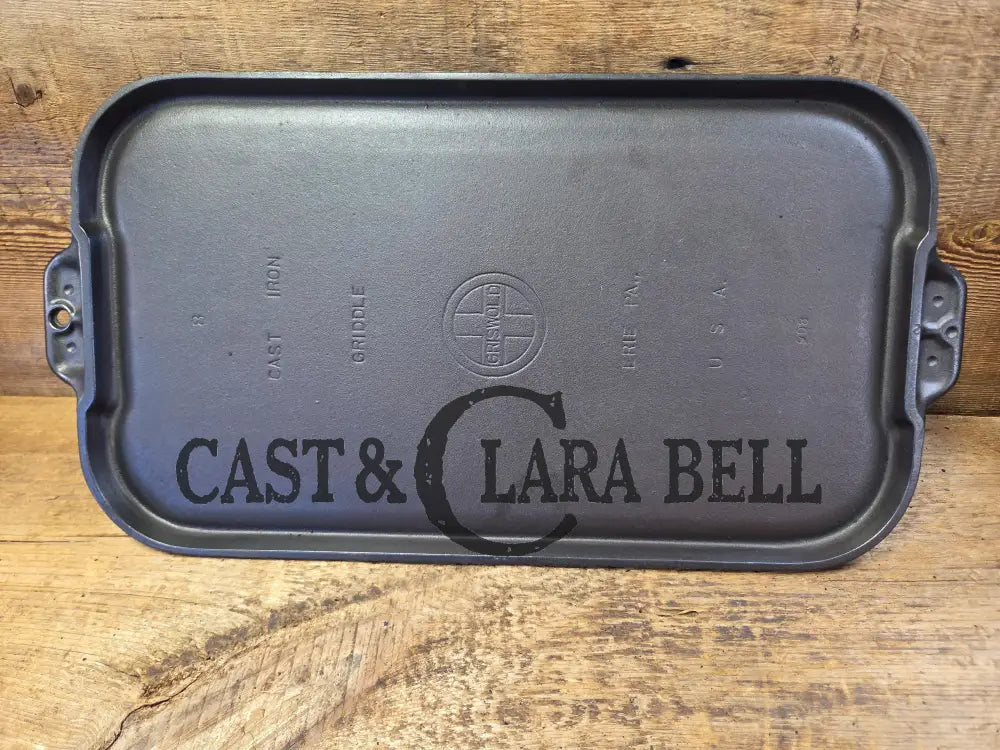
A reclaimed cast iron spatula is a fun place to start. A griddle is a good choice for somebody who wants more room to cook, and a BSR bean pot is the kind of gift they’ll get a kick out of opening. Think baked beans to go with whatever they’ve got on the grill.
One of my favorites here is a Griswold cast iron cookie sheet. Think about a fattier burger on the grill. Instead of setting it directly on the grate, you can cook it on the flat iron and get a good crust. Just keep an eye on the grease; a griddle doesn’t eliminate flare-ups. And when they bring it inside, guess what? It still makes a great sheet of chocolate chip cookies. I like a gift that earns its spot in the kitchen twice.
Here’s how I’d narrow it down. If they already have the grill set up exactly the way they like it, get the spatula. If they like making burgers for a crowd, look at the cooking area on the griddle and measure against the grill. If their favorite part is the sides, get the bean pot. Check how much room they have with the grill lid closed, especially if the piece has a tall handle or lid.

For the person who makes breakfast a whole thing
An aebleskiver pan is a good one to think about. The little wells aren’t just for Danish pancakes. They’re also a fun way to make individual eggs. A Wagner square bacon and egg skillet has a different kind of charm: it’s the sort of pan you’d leave out because somebody’s bound to ask about it.
If you’re not sure how adventurous they are, I’d go with a round griddle. It gives you a low edge to get a spatula under pancakes or an egg, and it’s useful for everything from breakfast to grilled cheese. A plain all-iron one can go in the oven, too. Check the base and size against their cooktop, especially if they’re cooking on glass.
Think about what the breakfast looks like. For pancakes or eggs for several people, more flat space usually matters more than a clever shape. For somebody who loves trying things, the aebleskiver is the piece I’d give. Show them the wells, tell them what you would make in it, and you may get invited over to see how it turns out.

For the collector who already has plenty of skillets
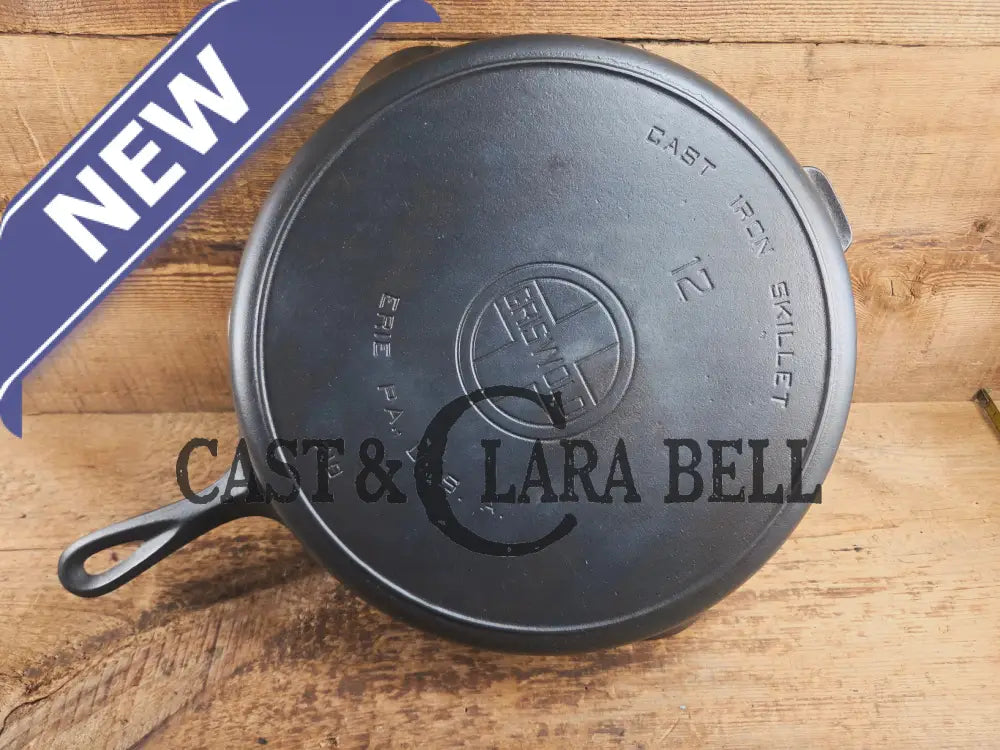
If you know they collect a particular maker, that’s helpful. If you don’t know what they already own, think a little differently. A six-cup Griswold brownie or golf-ball pan is a fun find. So is a tiny No. 00 or toy skillet. A toy skillet can sit on a shelf with their favorites, or, if it’s a cooking piece and big enough, earn its keep making one egg for an English muffin.
Then there are Griswold trivets and antique sad iron heaters. A trivet is useful even to somebody who’s already got all the cookware they want. A sad iron heater has a story built into it: it was made to heat flatirons. I’d happily put one in the middle of the table. If you’re buying one to cook bacon on instead, choose an example specifically described as ready to cook, with a base that sits securely on their stove.
One trick for a collector: ask the person who lives with them what they actually get excited about. If all you can find out is that they like Griswold, a trivet or a piece of bakeware gives you a different place to start than another skillet. And if you do know the piece they’re hunting for, compare the markings, dimensions and condition notes before you buy. Two pieces that look alike from across the room can be quite different to the person collecting them.
If you know they’d enjoy the hunt more than the surprise, a Cast & Clara Bell gift card lets them choose the piece they’ve been waiting for.

For somebody buying their first skillet
If you’re a skillet person and want to get them started, look at a No. 5 or a No. 6. Either is a nice first piece for eggs, a side dish or dinner for one. It won’t do everything, and it doesn’t have to. Our under-$125 collection is a good place to look when you’re shopping to a budget.
For somebody who cooks bigger portions, the classic No. 8 is hard to beat. I like old Lodge and Birmingham Stove & Range pieces here. If you’re aiming to stay under $150, start there and see what’s available. The maker’s mark is fun, but the one they’ll reach for on a Tuesday night is the one worth giving.
If you’re deciding between the smaller skillet and the No. 8, picture what they’re making on an ordinary night. A couple of eggs or a side of vegetables? I’d lean smaller. Chicken and vegetables for dinner, with room to turn things without piling them up? I’d look at the No. 8. A smaller skillet is also easier to lift. If they’re new to cast iron, that’s a detail worth paying attention to.

One thing to find out: what kind of stove do they have?
Read the flatness notes in the listing before you buy. For glass-top electric or induction, look for a smooth, flat, stable base that fits the burner and follow the cooktop manual. Lift the pan rather than sliding it on glass. On gas grates or an exposed electric coil, a slight wobble can be less of an issue, but the piece still has to sit securely. If they’re particular about how a pan feels on the stove, pick one that sits flat.
If you don’t know their stovetop, ask before buying a piece with noticeable movement. And if you know it’s glass but don’t know whether it’s induction, check with them. For induction, the manual can tell you the minimum base diameter the burner will detect. That’s especially useful when you’re eyeing a little egg skillet.
When it makes sense to let us put the gift together
And if you’d rather have us put a gift together, browse our curated gift boxes. The No. 3 Egg Skillet box is a simple example: a restored vintage egg skillet, our conditioning balm and a handmade hardwood scraper. We choose the skillet individually, so the maker may vary. If you know exactly which piece you want them to unwrap, I’d pick a specific piece from the restored iron collection instead.
I’d choose a box for someone who wants to get cooking and could use the care tools, especially if you’re comfortable letting us pick the pan. I’d buy a specific piece if they care about the foundry mark or you want them to receive the exact pan in the photos. And if you’re down to two options and can’t pick, tell us what they cook and what stove they use. That’s a conversation we have all the time.
Give them something they’ll use
Think outside the skillet, and think about the person. If they’re the one always making pancakes, buy for that Saturday morning. If they’re the one everybody calls when it’s time to fire up the grill, buy for that. That’s what makes it thoughtful. It has a job in their kitchen, and if they take care of it, somebody else in the family may be cooking with it years from now. That’s a pretty good gift.