

A pot roast, a loaf of bread and a table full of people. That's a pretty good reason to get out your favorite cast iron roaster.
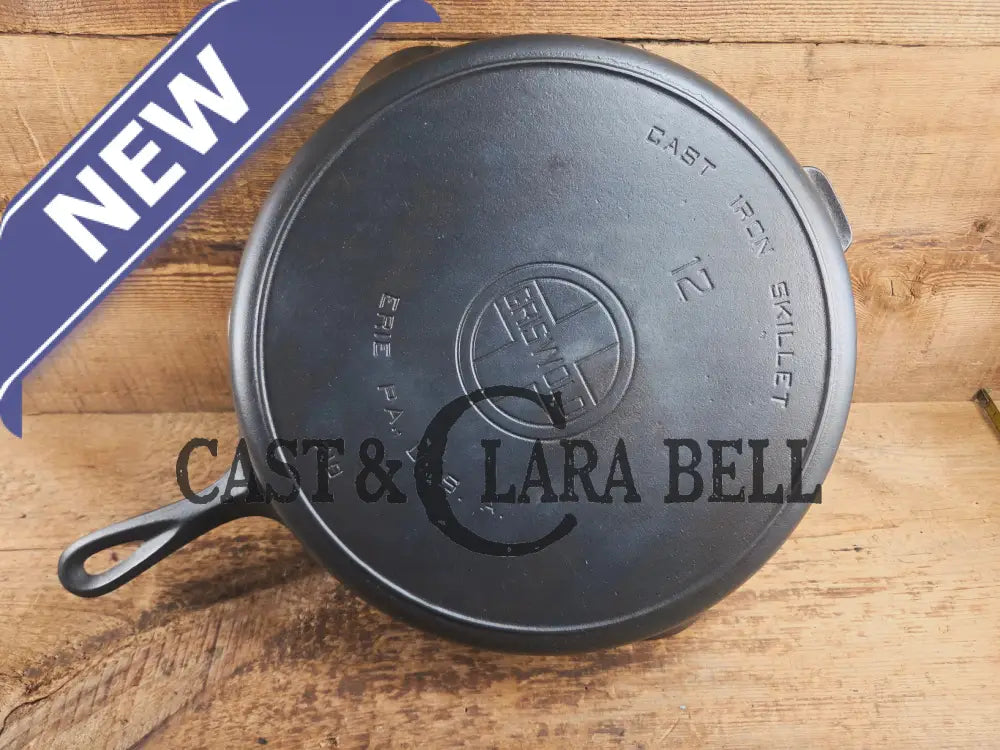
For this installment of Beyond the Skillet, we're talking about Dutch ovens and oval roasters. The big No. 12 Griswold has us thinking about a table full of people and what we'd cook for them. It's a good place to start a conversation about choosing a pot for Sunday supper.
You don't need a giant pot to make a good Sunday supper. You need one that fits what you're cooking. Here's how I'd choose between the familiar round Dutch oven and its longer oval cousin, along with a few reasons to use either one more often.
The No. 12 Griswold is best for cooking for an army
A big No. 12 Griswold gets you thinking about a batch of stew, a substantial pot roast or enough soup to send some home with everybody. Before planning the meal around it, check how much usable room the actual piece gives you.
Griswold made round Dutch ovens in a range of sizes, and the lineup changed over time. A No. 12 belongs among the larger examples. For a collector who likes the big pieces, that's part of the appeal. For a cook, the question is how it fits the food, the oven and the people at the table. A #12 is so rare because very few folks bought a pot that big, so they naturally tapered off how many were made.
The number is a size designation, not a quart measurement. Before choosing a large pot for your kitchen, check its actual dimensions, the height with the lid on and the space in your oven. Think about lifting it when it's full, too. A big piece should be something you'll enjoy using.
Round Dutch ovens: soup, supper and a round loaf
The round Dutch oven is the familiar all purpose pot. Soup, beef stew, chili, chicken and dumplings, a pot roast with vegetables. It gives you depth for broth and gravy, and the round shape generally makes sense on a round burner.
You'll also see vintage pieces described as round roasters. The names overlap, but don't assume every Dutch oven and round roaster has the same depth, lid or handles. Look at the actual piece. A higher lid can give you useful clearance for a loaf or a roast, while a wider cooking surface gives you more room to brown ingredients.
A classic pot roast is one of our Sunday supper favorites. Brown the beef, cook some onions in the same pot, then add your braising liquid and let it cook gently, covered. Carrots and potatoes can go in later so they don't fall apart before the beef is tender. Choose a recipe that suits your cut and the size of your pot.
Then there's Pennsylvania Dutch pot pie, one of Renee's favorites. Hers is the kind with dough squares and gravy. I'm more partial to the pastry topped kind, but Renee would happily make her case for this one. A deep pot gives those squares room to cook in the broth without packing everything in too tightly.
You can browse our Dutch ovens and roasters to see the different shapes and lid styles.
Oval roasters: a little more room from end to end
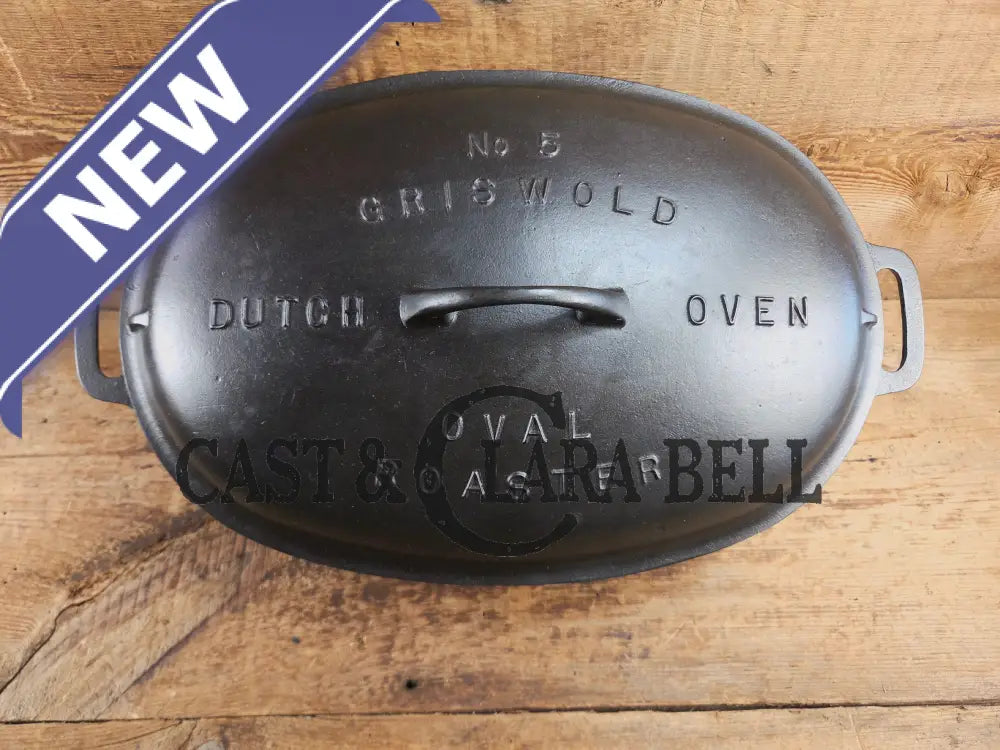
An oval roaster is worth a look when the food is longer than it is wide. Think pork loin, a rolled roast, turkey breast or a duck breast preparation that needs a little extra length. A whole bird can work in a sufficiently large roaster, but buy for the bird that actually fits, with room around it and clearance under the lid.
That matters especially at Thanksgiving. A size number alone won't tell you whether your turkey will fit. Check the inside length, width and depth, then check the full outside measurements against your oven. Handles count!
Wagner and Griswold both made oval roasters, but their numbering wasn't identical. Wagner's oval line included sizes No. 1 through No. 9. Griswold offered oval roasters in No. 3, No. 5, No. 7 and No. 9 during parts of its production. An oval No. 7 shouldn't be treated as the same size as a round No. 7.
Ovals can make soup and stew, too. On the stovetop, give the pot time to warm gradually and match it sensibly to your burner. The ends of a long roaster can sit beyond the heat source. Read the individual flatness notes, especially if you have a glass cooktop.
Our Dutch ovens and roasters collection includes oval examples. Compare the individual pieces rather than shopping by the number alone.
Bread needs a seat at the dinner table
A round Dutch oven is a natural choice for a round country loaf. An oval roaster gives an elongated loaf room to spread along its length. Either way, leave enough space for the dough to rise without meeting the lid.
In our family, we start sourdough in a cold Dutch oven because we prefer the bottom crust that way. We bake covered for the first part, then uncover to finish the crust. Use a bread recipe written for your chosen starting method rather than changing the temperature or timing by guesswork.
A rosemary loaf beside pot roast, a plain country loaf for dipping into gravy, or an oval loaf sliced for sandwiches the next day. Those are all good reasons to keep a roaster working after the holiday meal is over.
Get Creative: Flavored Popcorn for Movie Night
This might be the most fun reason to get a smaller roaster off the shelf. A suitable No. 3 oval roaster or a round Dutch oven can make a bowl of stovetop popcorn. Check its actual capacity and burner fit, and leave plenty of room for the kernels to expand.
Warm the pot gradually with popping oil, follow a stovetop method sized for your pot, and take it off the heat when the popping slows. Move the popcorn into a serving bowl before adding the finishes. That keeps cheese and sweet toppings away from the hot bottom.
Two flavors I'd put on the table:
Rosemary Parmesan. Toss warm popcorn with melted butter infused with finely chopped rosemary, finely grated Parmesan and black pepper. Taste before adding salt because the cheese brings plenty of its own.
Brown butter maple. Nutty browned butter, a light drizzle of maple syrup and a little flaky salt. Go lightly with the syrup so the popcorn doesn't turn soggy, and serve it while it's fresh. If you want a crisp candy coating, use a tested maple caramel corn recipe instead.
Make one savory bowl and one sweet bowl. That's a good start to an afternoon while supper takes its time.
Choose the pot for your table
Our Dutch oven sizing guide is a useful starting point for comparing vintage sizes. Its capacities are estimates, and the measurements in the individual listing matter more than the number cast into the iron.
For soup and round loaves, start by looking at round Dutch ovens. For longer roasts and oval loaves, look at the ovals. For either shape, check the usable space, lid fit, condition and weight.
The No. 12 Griswold may be the piece that makes you stop and look. A smaller pot might be the one you reach for every Sunday. Pick something you can picture using, put a favorite meal in it and let that old iron get back to work.
Enjoy the cook,
Phil