


Cooking With Vintage Cast Iron: Don’t Be a Helicopter Cook!

- Michael M.
This is what we LOVE to see in a review from customers. A piece of vintage cast iron, back in a kitchen, making something somebody actually gets to eat. We spend a lot of time talking about makers, markings, condition and what makes a particular pan special. But a picture like this gets to the part that matters to me. Somebody is enjoying it.
Which brings me to a question. Are you a helicopter cook?
What exactly is a helicopter cook?
You know the helicopter parent. Always hovering, trying to make sure nothing goes wrong. We have three teenage boys ages 13 to 19, and believe me, I understand the instinct. You want the best for them. You want to protect them. You would also prefer that they make every good decision without first trying several bad ones.
Unfortunately, that is apparently not how it works.
With cast iron, I hear a version of that same instinct pretty often. Someone sees an amazing old piece and says they would be afraid to use it. It is too nice. Too collectible. What if something happens to it?
I get it. When you have spent time finding a piece, or saved up for one you really wanted, the last thing you want to do is damage it. But being careful and being afraid to make breakfast are two different things.
Henry, a little train, and a very long few seconds
When our youngest son, Henry, was about four, he had this little alphabet train he could sit on and scoot around the kitchen. It had letters and buttons and made all kinds of sounds. He loved that thing. One day I was working downstairs in the basement when I heard the door open. I looked up and watched Henry come bouncing down the stairs, still riding that train, all the way to the concrete floor.
I thought for sure he was going to be badly hurt. Thankfully, he was not. We were incredibly lucky, and very grateful. I can laugh about that train now because of how the story ended. At the time I wasn't so sure. Raising these boys has taught us that we cannot hover over every moment of their lives. They need room to learn and grow, although I would have preferred a much less dramatic lesson that afternoon.
Now, I’m not suggesting you send your Griswold down the basement steps. But making breakfast? I think it can handle that.
Cooking with vintage cast iron, whether it cost $80 or $800
An $80 pan and an $800 pan can both make a terrific meal. One does not make you a better cook, and neither purchase needs an apology. Buy what you enjoy and what makes sense for you.
Some vintage cast iron costs more because a particular size, pattern or marking is harder to find, or because collectors really want it. Those original pieces are no longer being made. That can make the search interesting and the prices surprising. It does not make future value a sure thing, and it does not automatically make the expensive pan the better choice for dinner.
If you enjoy that side of collecting, we have more on what makes some vintage cast iron pieces more expensive than others.
For a sound piece that is suitable for cooking, the basic routine is familiar regardless of the price tag. Heat it gradually. Cook in it. Clean it, dry it thoroughly, and put it away dry. Respect its condition and any care guidance that comes with it. Cast iron is durable. It is not unbreakable. Dropping it or subjecting it to a sudden temperature change can damage it. Normal, sensible cooking is a very different proposition.
Collectible cookware, real kitchens
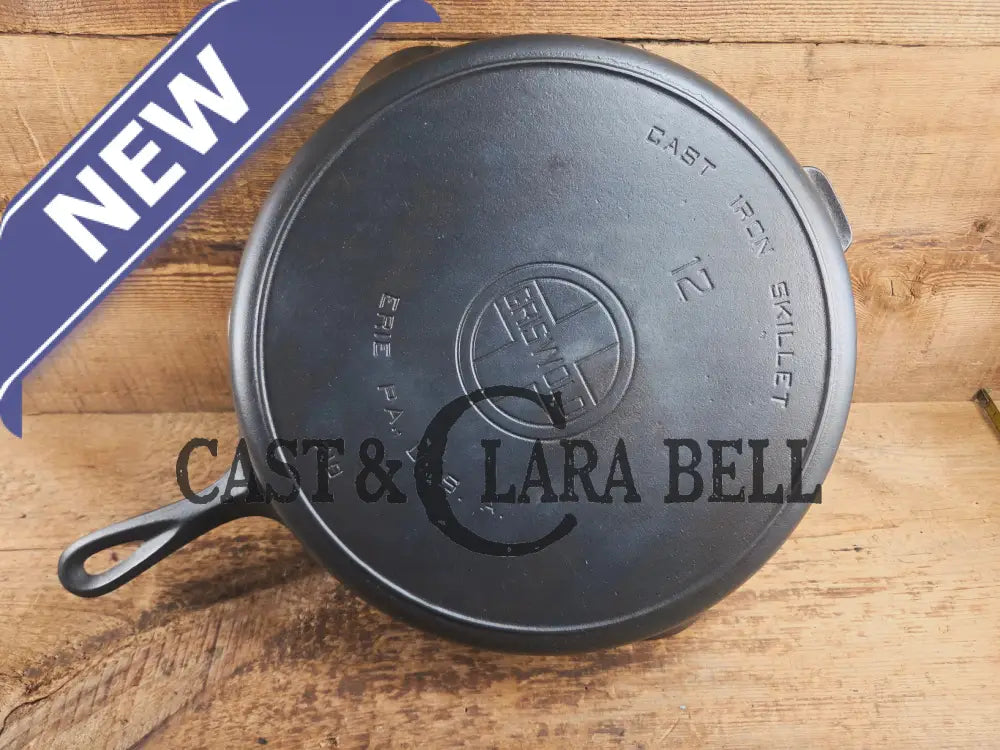
We are fortunate to be around cast iron every day and come across some incredible pieces. Yes, we have plenty. But at home we have a regular collection that we use in rotation. These pans have jobs. They are part of our kitchen, and they get used.
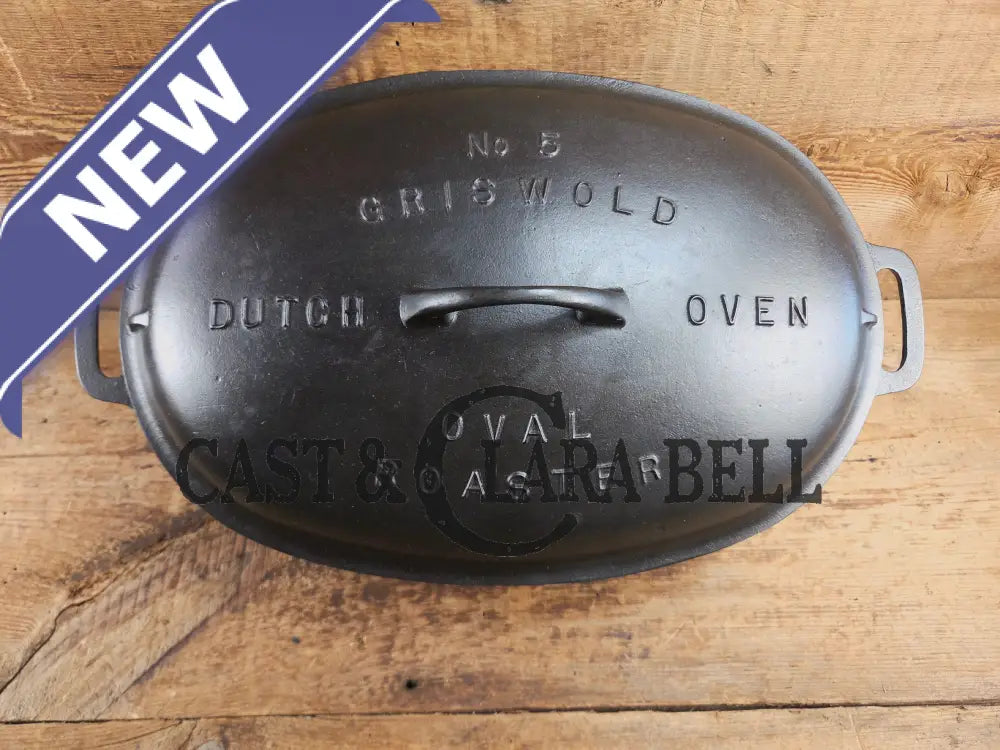
Seeing customers do the same is one of my favorite parts of this business. A special pan does not require a special occasion. Dinner on an ordinary night is a perfectly good reason to take it out. And sometimes a piece finds a job beyond the one in its name. That is part of the fun of getting to know what you own.

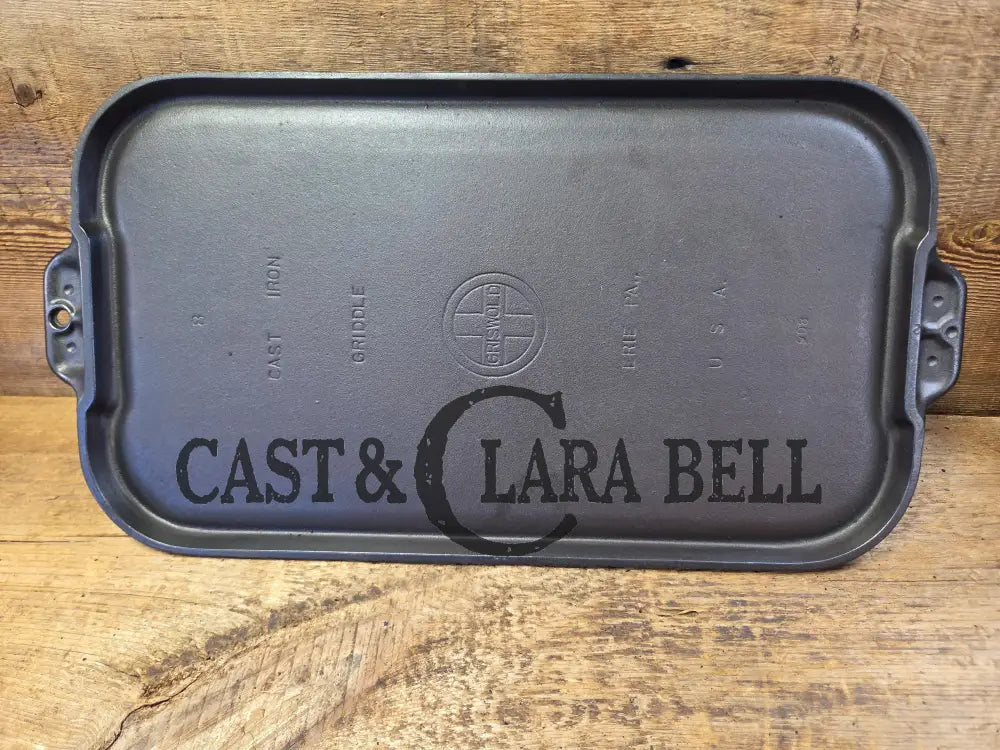
“It is a perfect fit for our range top. Love it so much, I ordered one of the egg skillets.”
Give that heirloom another story
There is nothing wrong with displaying a piece you love. I certainly understand wanting to admire it. But if you have a good cooking piece sitting there because you are nervous about using it, start with something familiar. You do not have to impress anybody. Just make something you like.
Someday, the story of that pan might include what you cooked in it, who was at the table, and the meals your family still talks about. That is a pretty good thing to add to an heirloom. The maker gave it a beginning. You get to add some of the next chapters.
Don’t be a helicopter cook. Cook with it and start your own heirloom legacy! - Phil